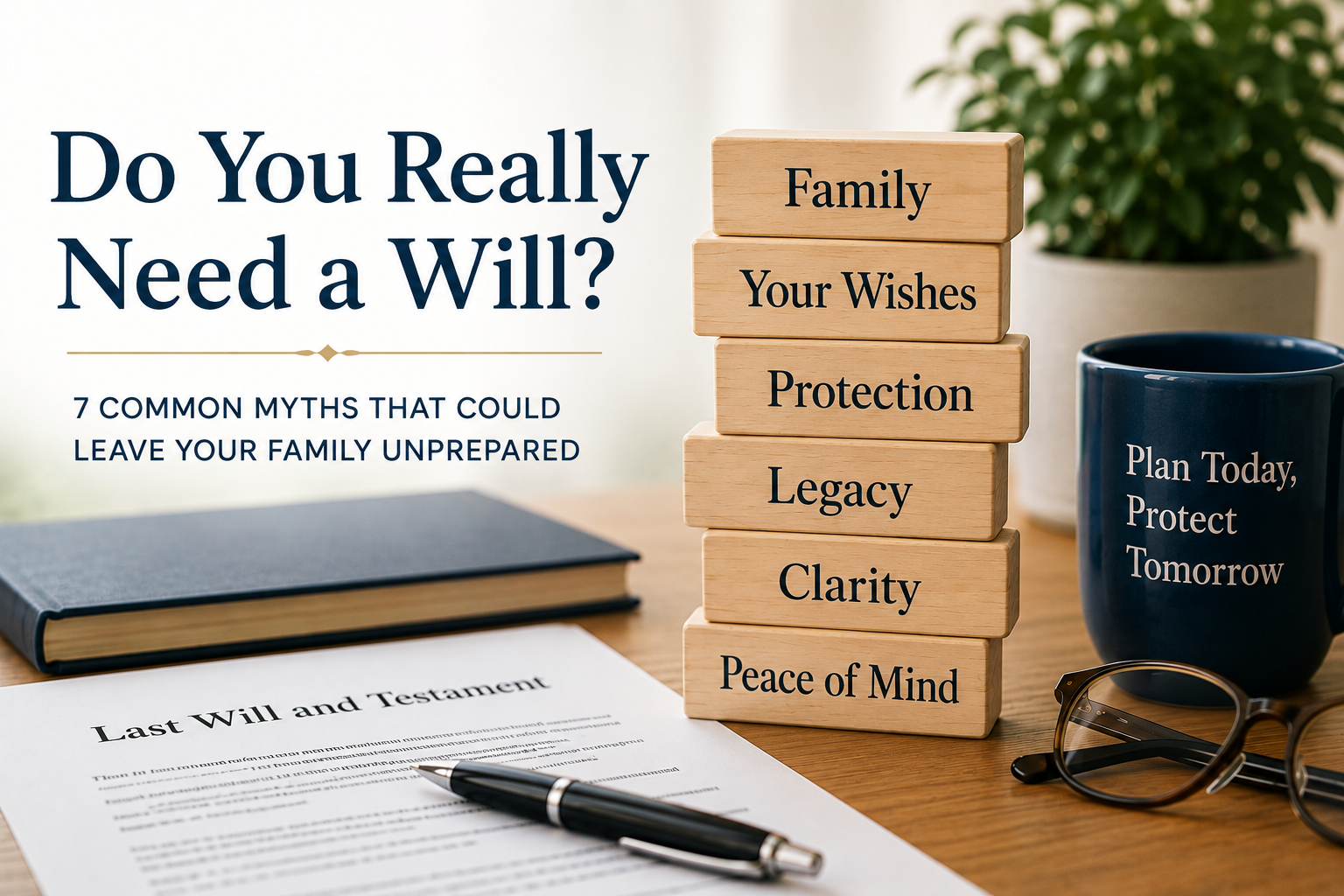
Estate planning often begins with documents: a Will, powers of attorney, beneficiary designations, and perhaps a trust.
But some of the most important parts of an estate plan aren’t contained in a document at all.
They’re the conversations families have about what they’ve built, what matters to them, and what they hope to pass along to the next generation. They may begin casually, perhaps with a question about retirement, the family home, or what Mom and Dad envision for the future. Other times, they’re conversations families know they need to have but aren’t quite sure how to start.
These discussions aren’t always easy. But talking about your wishes before they’re needed can help family members better understand not only what you’ve planned, but why.
Why Talking About Estate Planning Early Matters
Most families don’t schedule a meeting to discuss estate planning. They simply wait until a question comes up.
“Who has copies of Mom’s healthcare documents?”
“What happens to the house someday?”
“Does Dad have a Will?”
“Who knows where everything is?”
Unfortunately, these conversations frequently come up only after a health event or family emergency, when emotions are high and decisions need to be made quickly.
It’s easy to assume there’s always time to talk about these things later. But later can quickly become after a diagnosis, an unexpected accident, or a difficult family disagreement.
Having these conversations earlier creates a very different experience. Family members have time to ask questions, understand your wishes, and become familiar with the people who may eventually play important roles in carrying out your plan.
Planning ahead can also provide peace of mind, knowing your family won’t have to guess what you wanted during an already difficult time.
No one has to solve everything in one conversation. Simply opening the dialogue can be an important first step.
Estate Planning Is About More Than Documents
Many people think estate planning begins and ends with preparing a Will. In reality, the legal documents are only part of the process.
Thoughtful estate planning also involves considering:
- Who will be responsible for carrying out your wishes and making important decisions if you’re unable to.
- How your financial accounts, property, and other assets will be managed or distributed.
- Whether your estate planning decisions reflect your family’s unique circumstances and relationships.
- How prepared your loved ones are for the financial responsibilities they may eventually inherit.
- Whether your financial and estate plans work together to support your long-term goals.
A well-designed estate plan addresses what happens to your assets and who will make important decisions. Family wealth planning helps prepare the people who will be affected by those decisions. Together, they provide a roadmap for the future while helping family members better understand the wishes, values, and responsibilities that shape the plan.
Family Wealth Planning Is About More Than Money
What we pass along to future generations isn’t limited to financial assets. For many families, the greatest legacy is the lessons, values, traditions, and opportunities they share with their children and grandchildren.
Perhaps you’ve spent years teaching your children the importance of saving, giving back to the community, or making thoughtful financial decisions. Those conversations deserve the same attention as investment accounts and estate documents.
Family wealth planning helps families share their values, communicate expectations, and prepare future generations for the responsibilities they may eventually face. That might include managing an inheritance, continuing a family business, supporting charitable causes, or simply making thoughtful financial decisions.
Sharing these values and expectations doesn’t require a formal meeting or a detailed agenda. Often, the most meaningful conversations begin with a simple question.
How to Start the Family Conversation
You might ask:
- “Do we know where important documents are kept?”
- “Have we talked about who will be responsible for making important decisions if we’re unable to?”
- “If something happened unexpectedly, would everyone know who to call?”
- “What family traditions or charitable causes are most important for us to continue?”
- “What financial lessons do we hope our children or grandchildren will carry forward?”
- “Are there any decisions we’ve made that we’d like our family to better understand?”
Of course, every family needs to decide how much information to share and when. The goal isn’t necessarily to discuss every financial detail, but to help loved ones understand the decisions and responsibilities that may eventually affect them.
Every Family’s Planning Needs Are Different
No two families are exactly alike.
Some families are helping aging parents while raising young children or supporting adult children. Others are navigating second marriages, caring for loved ones with special needs, or hoping to leave a charitable legacy. Every family has its own priorities, which is why every estate plan should reflect the people and values that make your family unique.
These differences influence not only the decisions families make when developing an estate plan, but also the conversations they need to have along the way.
Bringing Estate Planning and Family Wealth Planning Together
Starting the conversation is an important first step. The next is making sure those conversations become part of a coordinated plan.
For some families, that may mean bringing everyone together for a more structured family meeting. A family wealth planning meeting can create an opportunity to discuss goals and values, introduce family members to trusted advisors, clarify roles and responsibilities, and help prepare the next generation for the wealth they may one day inherit.
At EKS Associates, we help clients navigate the financial, emotional, and practical decisions involved in passing wealth from one generation to the next. That includes facilitating family meetings and working alongside estate planning attorneys and other professionals to help ensure that a family’s financial and estate plans are aligned with their goals and wishes.
Estate planning helps ensure your wishes are documented. Family wealth planning helps the people you care about understand those wishes and prepare for the responsibilities ahead.
When these two aspects of planning work together, families can approach the future with greater confidence and fewer unanswered questions. And by starting the conversation early, you can help make an already emotional time a little easier for the people you love.